iPhone & Apple Watch · Free 7-day trial
The Ultimate VO2 Max Trainer App in 2026
VO2 Max Trainer: Fitness Age turns your VO2 max into a plan. Start from your number, pick a goal, and train it up with Norwegian 4x4, Zone 2 and 36 more protocols on iPhone and Apple Watch.

Features
-
38 protocols, seven packs
Norwegian 4x4, 5x3, 8x2, Seiler 4x8, Billat 30/30, Ronnestad 30/15, Tabata and more, grouped into VO2 max intervals, short intervals, threshold, Zone 2, sprints, beginner and field tests.
-
Programs, not just sessions
Three progressive programs of 8 to 12 weeks — beginner, intermediate and advanced — that tell you what to do next instead of leaving you to pick.
-
Know your number four ways
Import Cardio Fitness from Apple Health, enter a lab or watch result, get an estimate from your profile, or run a guided Cooper, 1.5-mile or Rockport field test.
-
Fitness age and percentile
Your reading placed against reference data for your age and sex, so the number means something the first time you see it.
-
Zones on every segment
Each work, recovery and rest segment carries an intensity zone with a target heart-rate range, an RPE and a talk-test cue — on the phone and live on the Watch.
-
Your sport, your units
Swap a session to another cardio modality — run, bike, row and more — and switch the whole app between metric and imperial.
Screenshots
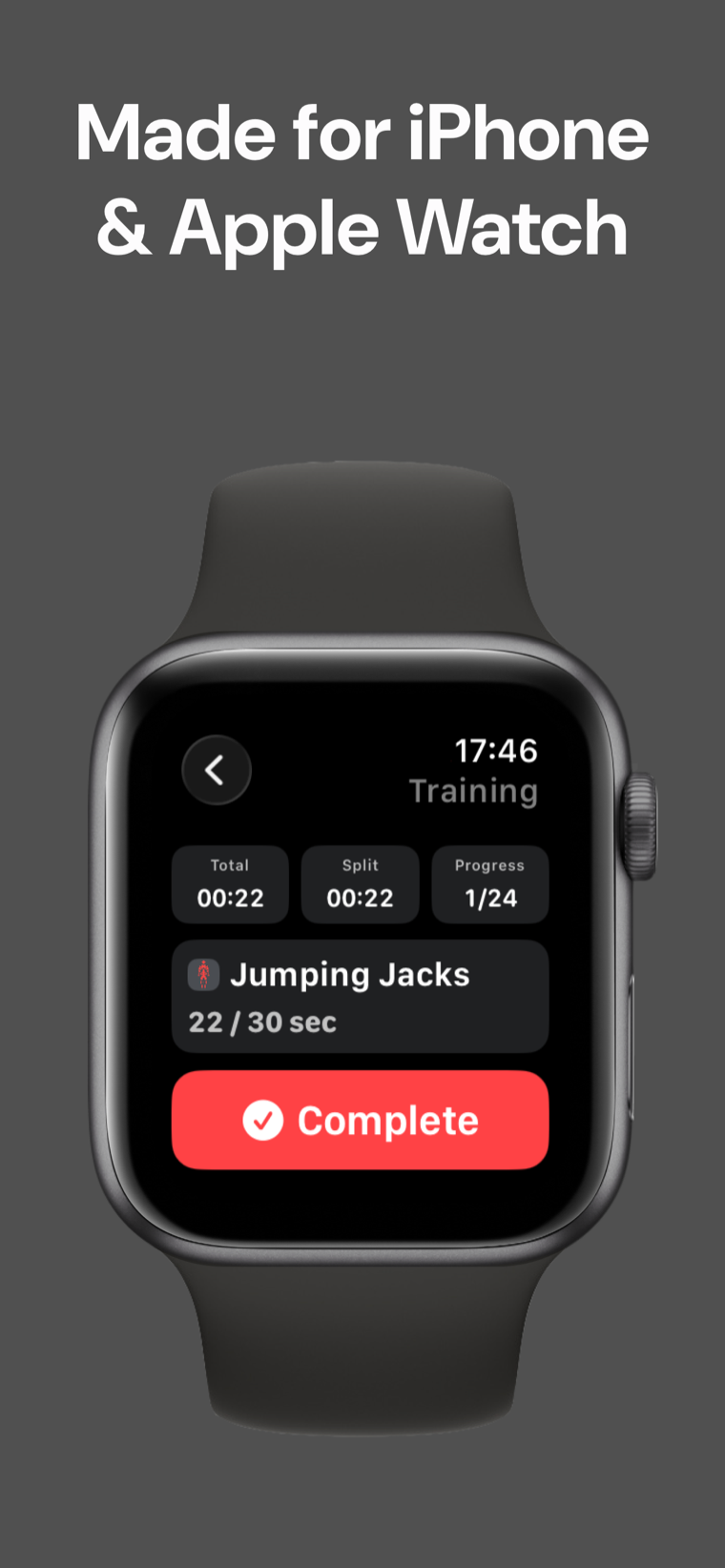
The Watch runs a real workout: the current segment, its target zone, live heart rate against that range, interval timing and what comes next. Finished sessions save to Fitness with your time in zone.
Readings from Apple Health, field tests, other devices and manual entries land in a single trend against your goal — with fitness age, percentile, and an estimate of how many weeks the goal is away at your current training dose.
How it works
-
Start from your number
Import from Apple Health, type in a result you already have, take the profile estimate, or run a guided field test. Whichever you choose, you get a starting VO2 max with a fitness age and a percentile.
-
Pick a goal and a plan
Choose how much higher you want to go and see an estimated number of weeks to get there at your training dose. Then follow a program, or pick any protocol pack when the week changes on you.
-
Train and watch the trend
Run the session on the phone or the Watch with live heart rate against the target zone. Every new reading joins one trend line, so progress is visible rather than assumed.
FAQ
Frequently asked questions
What is VO2 max?
VO2 max is the most oxygen your body can use during hard exercise, and it is one of the strongest single measures of cardiorespiratory fitness. Higher is fitter — and unlike most fitness numbers, it responds to specific training.
How does VO2 Max Trainer raise it?
By giving you the sessions the research uses: hard intervals near your maximum, easy aerobic Zone 2 work to build the base, and a weekly dose you can actually keep up. The app schedules them, times them, and tracks whether you held the target zone.
Does it work with Apple Health?
Yes, as a read-only import. The app reads your Cardio Fitness readings so your history is in one place. It never writes a VO2 max value back to Health.
Will it change the VO2 max on my Apple Watch?
No, and no app can. Apple computes that estimate only from its own outdoor walk, run and hike workouts, so an interval session on a bike or a rower will not move it. The app keeps its own trend and imports Apple's readings alongside your own.
Can I measure VO2 max without a lab?
You can estimate it. The app guides three standard field tests — the Cooper 12-minute test, the 1.5-mile run and the Rockport 1-mile walk — and names the formula it used on the result. Field-test and profile numbers are estimates, not lab measurements.
What is the Norwegian 4x4?
Four four-minute efforts at a hard intensity, each followed by three minutes of easy recovery. It is the most studied VO2 max interval session there is, and it ships as a keyed protocol you can start in two taps.
What is Zone 2 training?
Easy aerobic work you could hold a conversation through — the low-intensity end that builds the base most people skip. The app has a dedicated Zone 2 pack and shows the target heart-rate range while you train.
How long does it take to see a change?
That depends on where you start and how often you train hard. The app estimates the weeks to your goal from your current level and your weekly hard-session dose, and updates the estimate as new readings come in.
Does it work on Apple Watch?
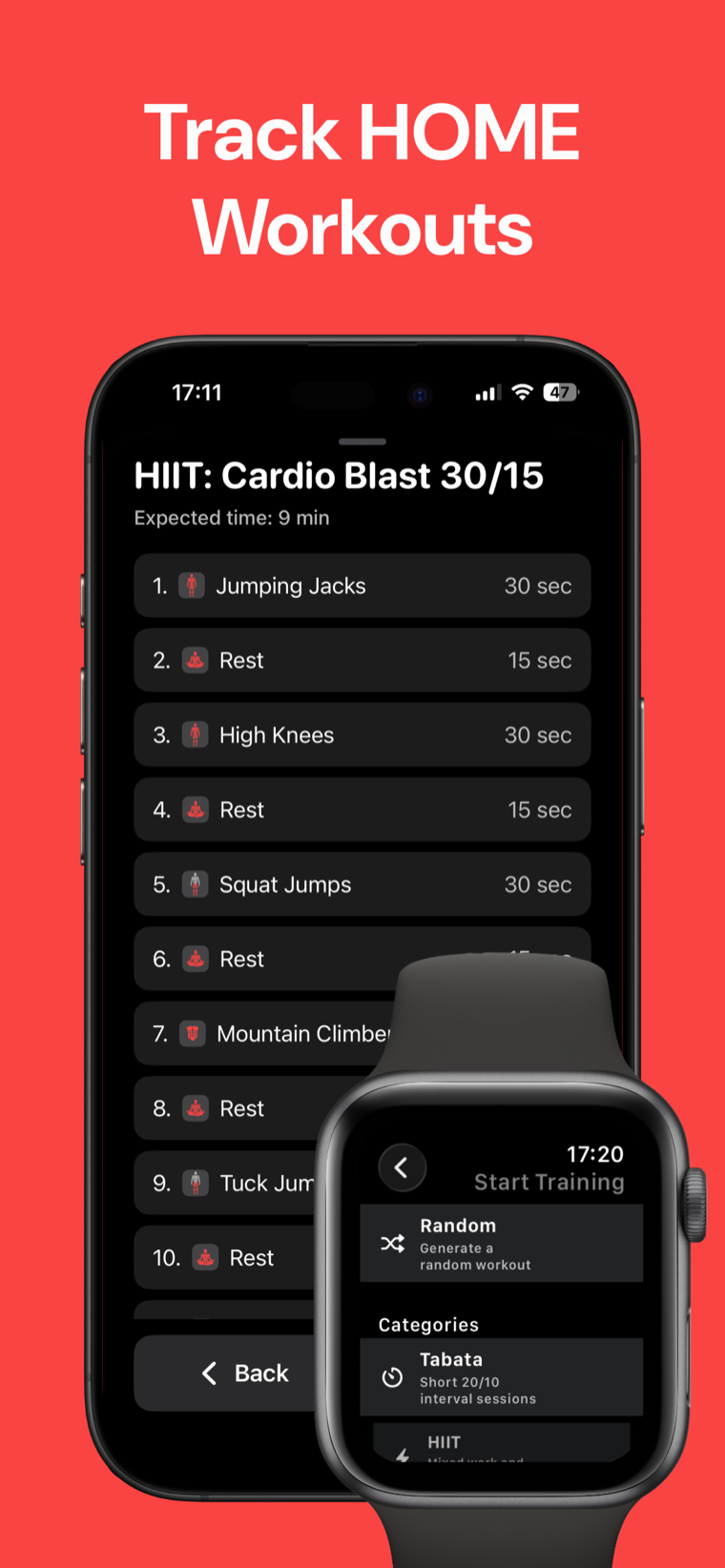
Yes. Supported sessions start on the Watch and run as a real workout with live heart rate, your target zone, interval timing and what comes next. Completed sessions are saved to Fitness with your time in zone.
Which activities does it support?
Cardio modalities including running, cycling and rowing. A session's structure stays the same when you swap it — the intervals are the plan, the machine is your choice.
Do I need a heart rate monitor?
Not to train. Sessions run on time and structure alone. If you wear an Apple Watch you also get live heart rate against the target zone and time-in-zone afterwards.
Do I need an account?
No. There is no sign-up — open the app, answer a few questions about yourself, and start.
Is this medical advice?
No. VO2 Max Trainer is a fitness tool, and its field-test and profile values are estimates. Talk to a qualified healthcare professional before starting vigorous or near-maximal exercise.
How do I get in touch about a bug or an idea?
There is a contact link in the app's Settings screen, and it reaches the developer directly.
Your VO2 max is a number. Make it a plan.
Download VO2 Max Trainer for iPhone and Apple Watch.
Free VO2 Max Trainer tools
- Calisthenics Workout PlannerGenerate balanced push, pull, leg and core sessions with no equipment-heavy exercise list or signup.
- Cooper 12-Minute VO2 Max CalculatorEnter the distance you covered in 12 minutes. The calculator applies the Cooper field-test equation and shows an estimated VO2 max, average speed, and pace.
- Interval TimerRun work and rest rounds from your browser. Start from a Tabata, HIIT, EMOM, boxing or circuit preset, or set the prep, work, rest and round count yourself.
- Kettlebell Workout PlannerGet two to five balanced sessions using four movements and a time-scaled number of rounds.
From the blog
All articles →- Tabata vs HIIT: What Actually Sets Them ApartTabata is a fixed 20:10 HIIT protocol, not a synonym for it. See how ratio, intensity, and duration set tabata vs hiit apart, and which one fits your goal.
- How long to rest between sets for strength and muscleLearn how long to rest between sets for strength, muscle growth, endurance, and circuit training, plus how to adjust rest as fatigue builds.
- What Is a Circuit Training Workout? A Practical GuideLearn what is a circuit training workout, how stations differ from intervals, and how to build a full-body home circuit with sensible transitions.